About Us
From vulnerability to possibility
We see people not only through the challenges they face, but through the knowledge, skills, creativity and aspirations they bring to their communities.
Our Story
Built for a long-term challenge
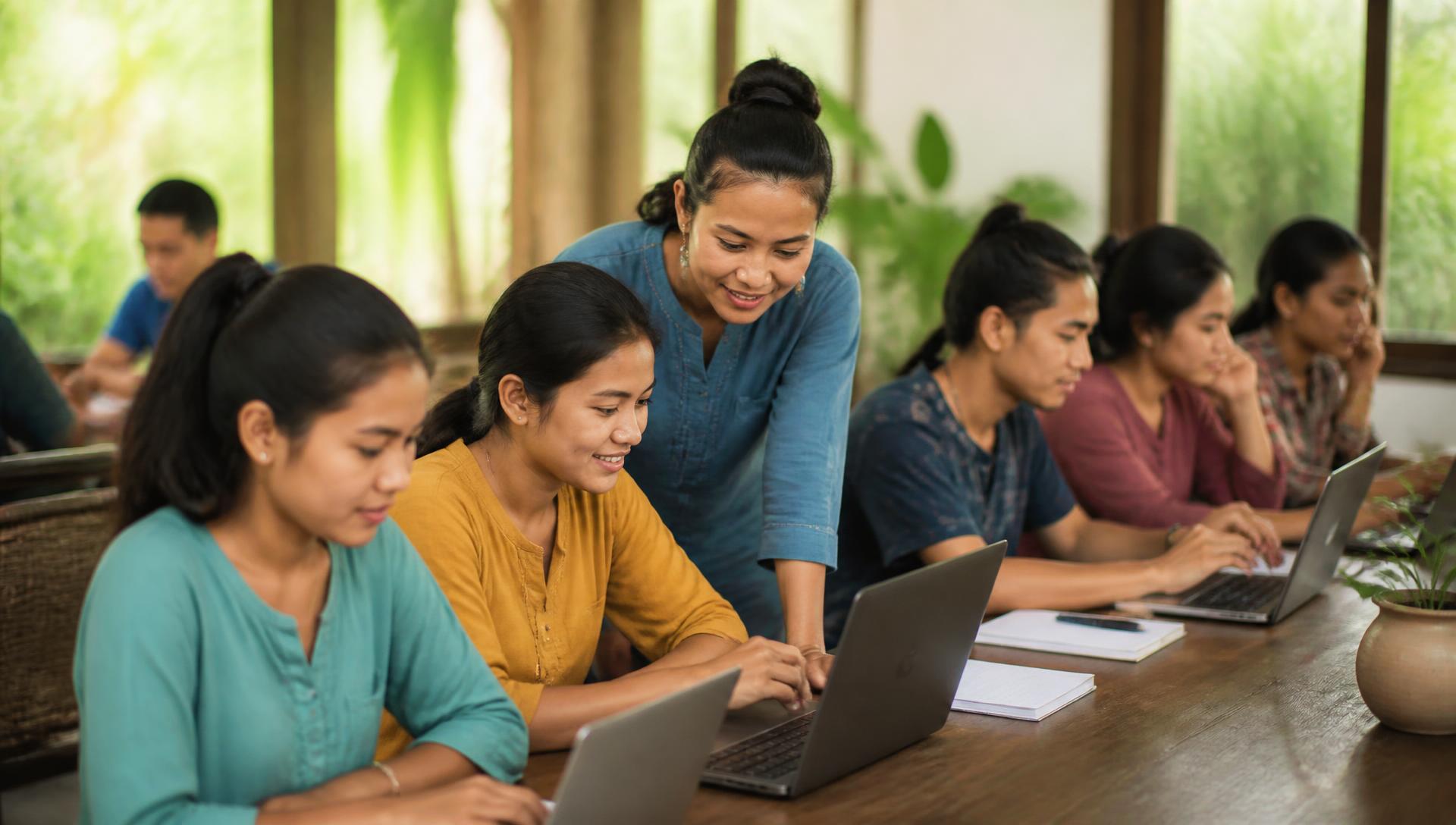
Hope of Life Community Centre was established in response to the changing realities faced by Myanmar migrants and vulnerable host communities in Northern Thailand. As displacement becomes a long-term development challenge, we create pathways that go beyond immediate assistance — towards education, skills, employment, entrepreneurship, well-being and community resilience.
Many people arriving in Northern Thailand are rebuilding their lives: raising families, continuing education, seeking employment and starting businesses within host communities. Their aspirations extend well beyond emergency assistance — towards dignity, sustainable livelihoods, social inclusion and community well-being.
Our Vision
Resilient and inclusive communities where Myanmar migrants and host communities learn, work, innovate and thrive together.
Our Mission
We strengthen human capital and community resilience through integrated programmes in education, workforce development, entrepreneurship, innovation, mental well-being, women's empowerment and community partnerships.
Governance
Our Board of Directors
The people guiding our strategy, operations and partnerships.
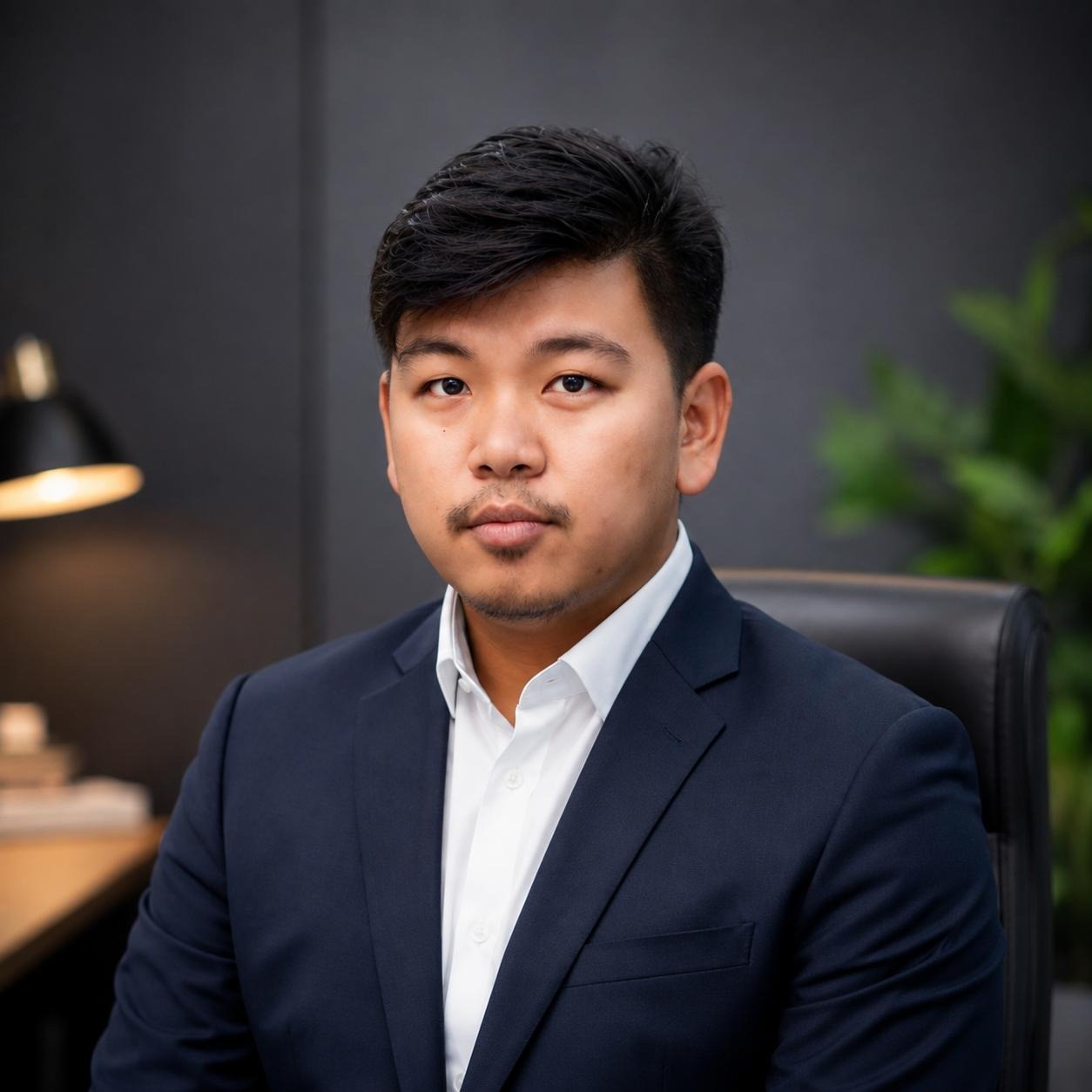
Pyae Phyo Thant
Executive Director
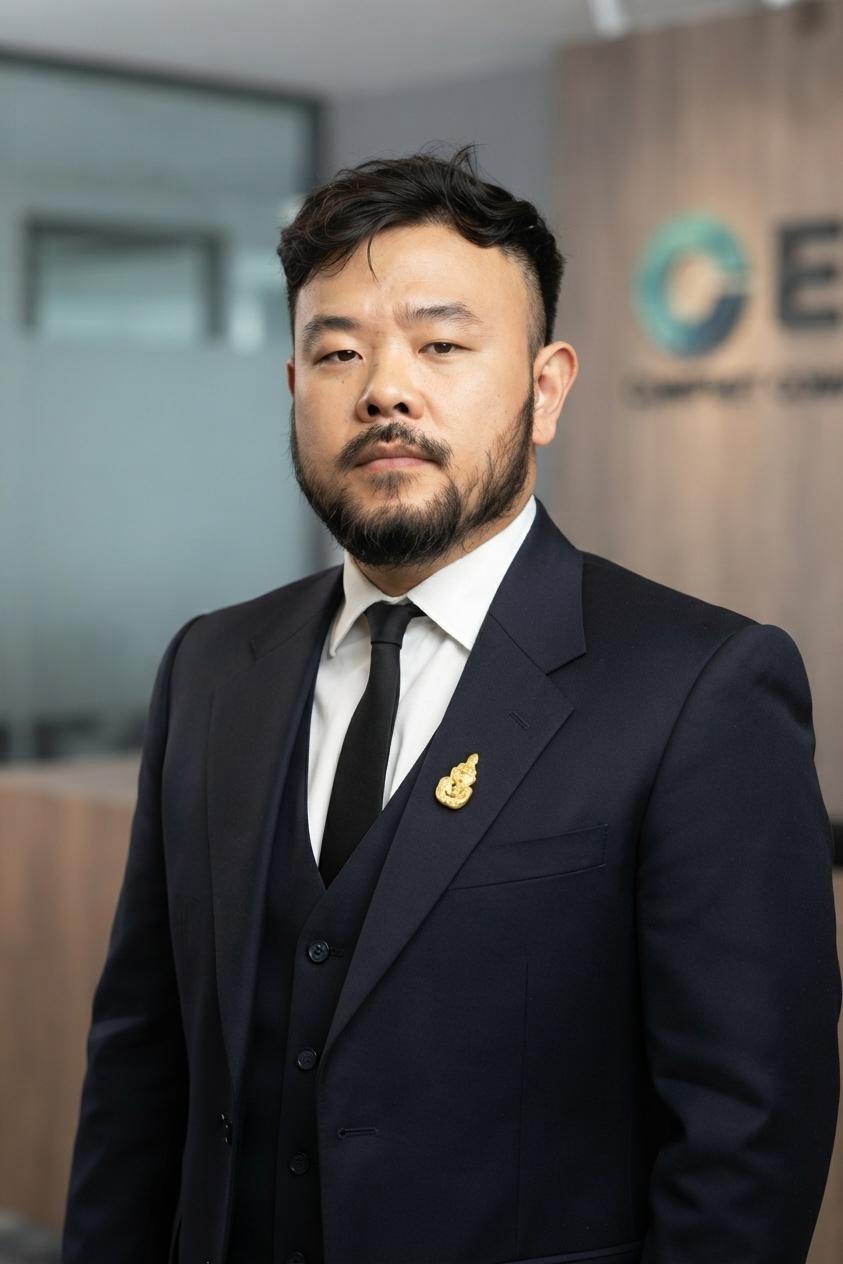
Suriwong Wongratanamajcha
Director of Operations
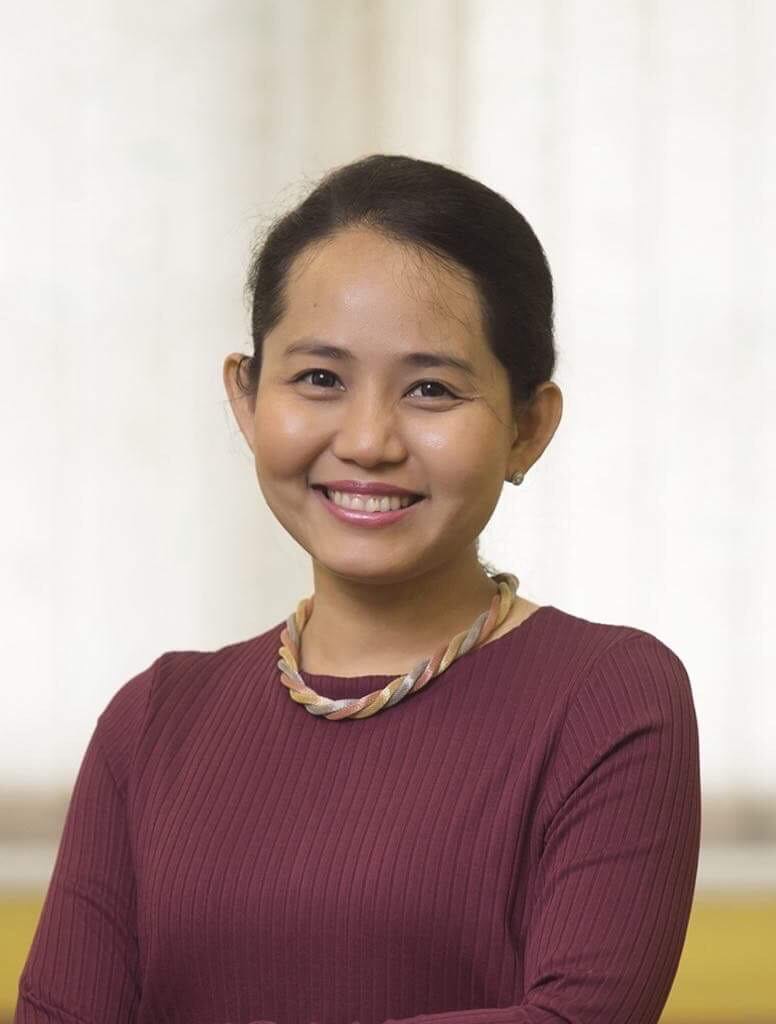
Mi Mi Myo Win
Director of Strategy and Partnerships
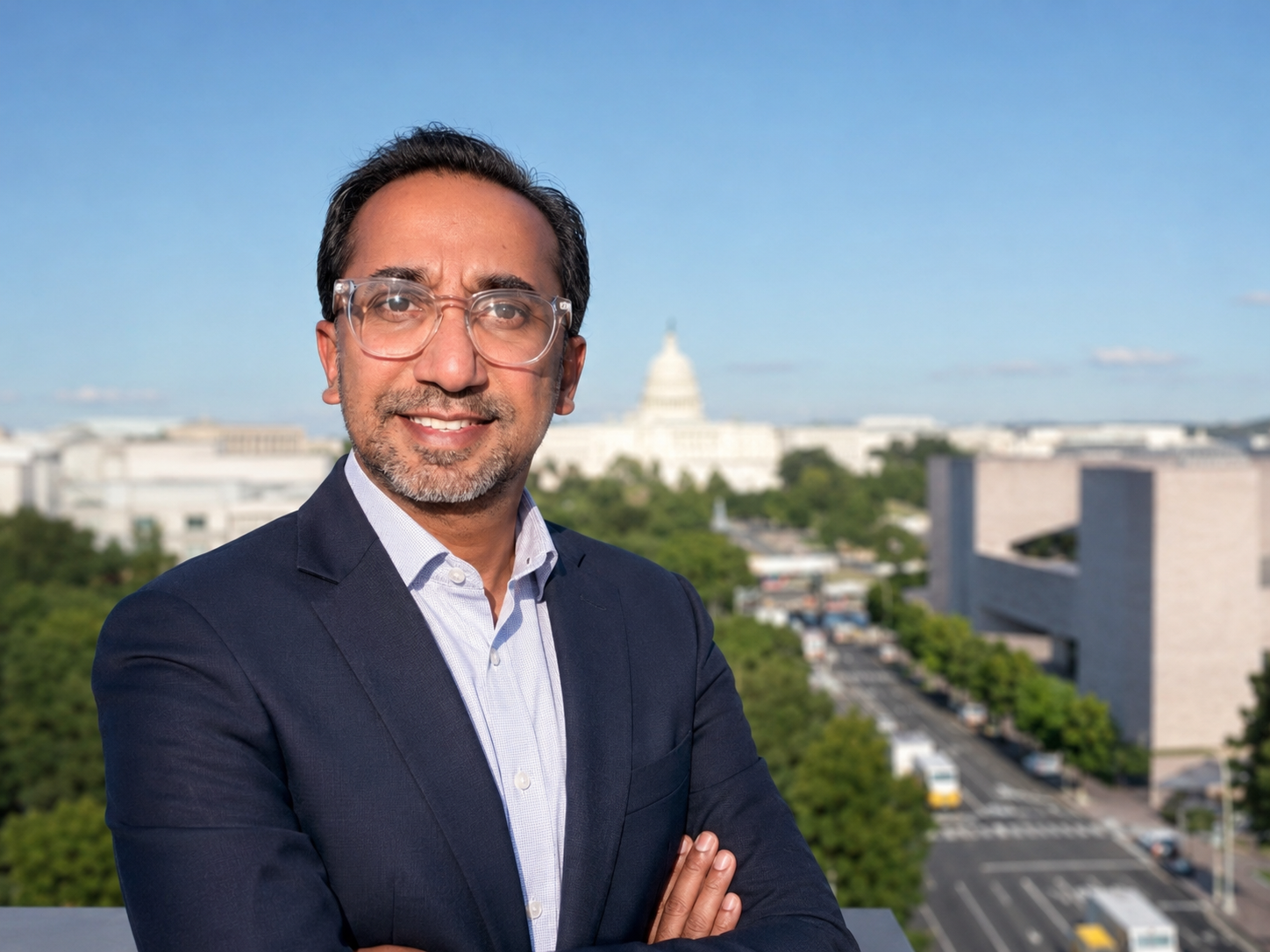
Molwin Zaf
Director of Communications and Learning
Our Values
What we hold ourselves to
We believe everyone has the potential to contribute when given the right opportunities and support.
- Dignity
- Inclusion
- Opportunity
- Integrity
- Innovation
- Collaboration
Our Approach
Our approach is strengths-based, people-centred and partnership-driven. We connect learning with employment, entrepreneurship, leadership and community participation, creating pathways that support people throughout different stages of life.
Why Human Capital Development?
People are the most important asset for sustainable development. Investing in knowledge, skills, health, creativity and leadership enables individuals to build sustainable livelihoods while contributing to stronger families, communities and local economies.
Who We Serve
We primarily serve Myanmar migrants, women, youth, adolescents and vulnerable groups, while creating opportunities for meaningful participation and collaboration with host communities.
Where We Work
Hope of Life is based in Northern Thailand, working with communities and partners to create inclusive opportunities for learning, livelihoods, innovation and long-term resilience.
Context
Why this work, and why now
A short summary of the evidence and conditions that shape our model.
Displacement has become a development challenge
Since 2021, conflict, political instability and economic collapse in Myanmar have produced one of Southeast Asia's largest displacement situations. What began as an emergency has evolved into a long-term challenge affecting education, livelihoods, healthcare and social protection (UNHCR, 2024; UNOCHA, 2025).
Strengths, not only needs
Northern Thailand hosts a diverse Myanmar population — refugees, documented and undocumented workers, students, entrepreneurs, professionals and families. Alongside interrupted education, unrecognised qualifications, language barriers and financial insecurity, these communities bring professional expertise, entrepreneurial experience and strong networks.
Employers are hiring skills
Northern Thailand continues to see demand across hospitality, tourism, construction, manufacturing, logistics, food services, healthcare and the care economy. Employers increasingly seek technical competence combined with communication, teamwork, digital literacy and problem-solving (ILO, 2024).
Integrated, not isolated
Education shapes employment; income shapes security; inclusion shapes participation. Because these needs are interconnected, effective community development requires integrated initiatives rather than isolated interventions (Becker, 1964; World Bank, 2020).
Women's empowerment is a catalyst
Women's economic empowerment increases household income, improves child well-being and strengthens community resilience (UN Women, 2023). Gender Equality and Social Inclusion runs as a cross-cutting principle across all our programmes.
Well-being underpins everything
Mental health is a development issue as much as a health one, shaping education, employment, relationships and participation (WHO, 2022). Psychosocial support is integrated across every programme area rather than delivered in isolation.
References
- Becker, G. S. (1964). Human capital: A theoretical and empirical analysis, with special reference to education. University of Chicago Press.
- International Labour Organization. (2024). Labour migration in Thailand.
- International Organization for Migration. (2024). World migration report 2024.
- United Nations Development Programme. (2024). Human development report 2023/2024.
- United Nations High Commissioner for Refugees. (2024). Global trends: Forced displacement in 2024.
- United Nations Office for the Coordination of Humanitarian Affairs. (2025). Myanmar humanitarian needs and response plan 2025.
- UN Women. (2023). Women's economic empowerment strategy.
- World Economic Forum. (2025). The future of jobs report 2025.
- World Health Organization. (2022). World mental health report: Transforming mental health for all.
Partnerships
We build with others, not alone
Community organisations, universities, businesses, employers, NGOs, foundations, international organisations and local authorities each bring unique strengths to this work.
- Co-design and co-deliver a programme
- Fund a cohort, scholarship or training place
- Offer internships, placements or employment
- Provide trainers, mentors or technical expertise
- Commission our catering, venue or consultancy services
Talk to us
Tell us what you are trying to achieve — as a partner, employer, volunteer or supporter — and we will come back with a concrete way to work together.
- Chiang Mai, Thailand
- +66 92-607-2360